Enchanting Borders Collection
First Impressions: Charm, Clarity, and Quiet Confidence
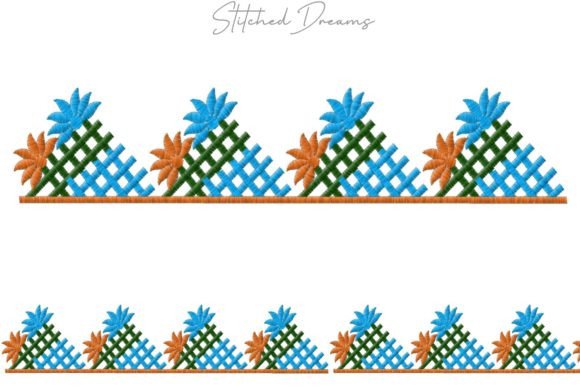
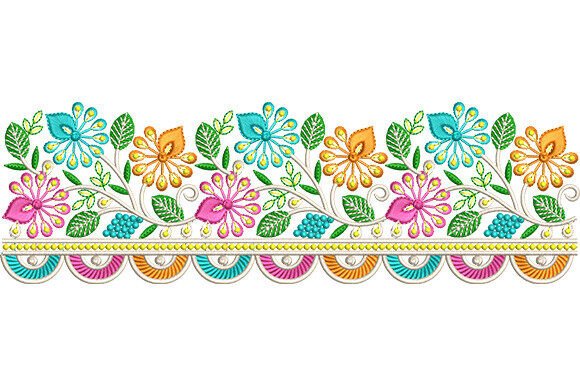
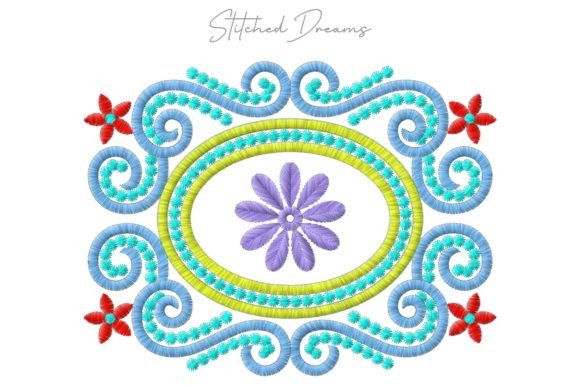
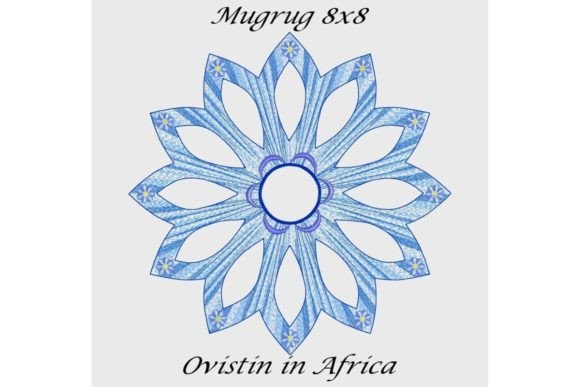
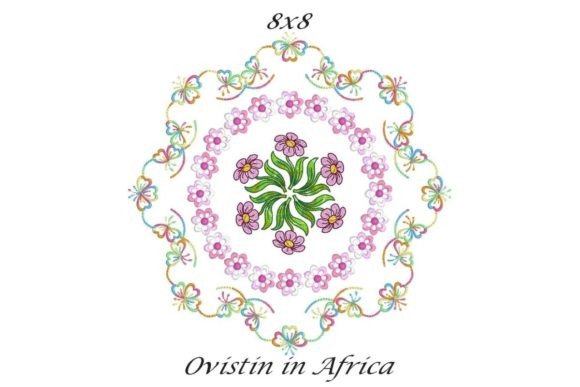
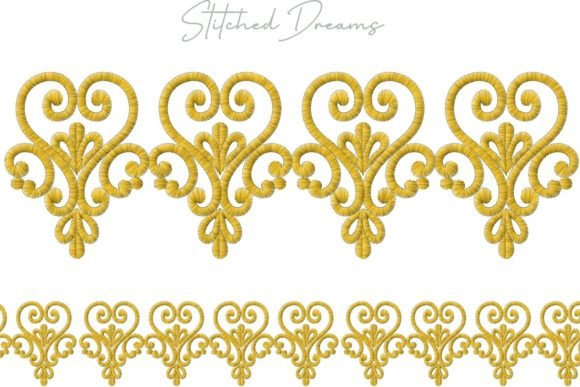
As an embroidery designer who’s stitched thousands of personalized gifts—from baby blankets to wedding keepsakes—I opened the Borders collection expecting elegance. What I found was something warmer: a quiet confidence in every curve and leaf. These aren’t fussy or overwrought; they’re thoughtfully balanced—sweet without saccharine, elegant without stiffness, handmade in spirit but precise enough for confident machine execution. The mood leans romantic and timeless, with gentle botanical motifs and soft scrollwork that whisper “cherished,” not “trendy.” They feel like heirlooms in waiting—not because they’re heavy or ornate, but because they invite pause, care, and personal meaning.
Where Borders Truly Shines: Real Uses for Real Customers
I tested Borders across six high-demand personalized gift categories—and each time, it deepened the emotional resonance of the finished product.
- Baby embroidery: On organic cotton swaddles and muslin blankets, the delicate line work reads as tender and nurturing—not overwhelming for tiny shoulders. It frames names or birth dates beautifully on nursery pillows and crib sheets.
- Wedding gifts: Stitched onto linen napkins or monogrammed pillow covers, Borders adds ceremony without cliché. One bride ordered matching guest towels with her initials inside the border—simple, cohesive, and deeply personal.
- Family keepsakes: When embroidered around a child’s handprint on a quilt square or encircling a family name on a wall hanging, the design feels intentional and enduring—not decorative filler.
- Embroidered towel & kitchen textiles: On flour-sack towels and tea towels, the open stitch layout breathes well—even after repeated washing. No puckering, no thread breakage, just soft definition.
- Pillow covers & tote bags: The consistent width and graceful flow make Borders ideal for framing center motifs or finishing raw edges. On canvas totes, it elevates a simple bag into a curated handmade product.
- Etsy listings & craft fair displays: Because the design photographs so cleanly—especially against natural light and neutral backdrops—it boosts buyer engagement instantly. Customers linger longer. They imagine it *on their own shelf*.
Where to Use Borders Thoughtfully (Not Every Surface Is Equal)
Even beautiful designs need context. Here’s where I slowed down—and why:
- Small lettering or fine details: While Borders itself avoids micro-detail, pairing it with very small custom text (under ¼”) risks legibility. Always test your full layout—including name + border—on scrap fabric first.
- Textured fabric: Heavy terry cloth or nubby linen can swallow delicate lines. Use a medium-cutaway stabilizer and consider slightly heavier thread (40 wt instead of 50 wt) for clarity.
- Stretchy baby clothes: Not recommended for onesies or bodysuits unless you’re using tear-away + cut-away combo stabilizer *and* reducing stitch density manually. Stick to stable fabrics like cotton knit interlock for best results.
- Curved surfaces (mugs, curved pillow fronts): The design is flat-layout optimized. Avoid wrapping tightly around curves—it may distort. Best used on flat panels or gently rounded areas like pillow front centers.
- Dark fabric: Test contrast early. Some lighter thread colors (ecru, pale mint) recede on navy or charcoal. A printable mockup helps visualize before stitching.
- Frequent-wash items: Confirm your thread colors are colorfast—and that the stitch density allows for flexibility. Overly dense borders can stiffen fabric over time. Borders strikes a smart balance, but always check your final hoop size and density in your embroidery software.
Why Borders Makes Your Handmade Product Feel More Valuable
Customers don’t buy borders—they buy meaning, memory, and intention. When a new parent sees Borders framing their baby’s name on a blanket, they don’t see stitches—they see love made visible. That perception lifts perceived value instantly. It signals craftsmanship, attention, and care—key trust markers for Etsy sellers and small shop owners. In product photography, the clean lines and balanced spacing make your images look professional, even shot on a phone. And because the design works equally well in ivory thread on oatmeal linen or navy thread on cream canvas, it supports versatile branding—no need to overhaul your palette to use it.
Practical Embroidery Notes You’ll Want Before Stitching
This isn’t just about beauty—it’s about reliability. Here’s my pre-stitch checklist for Borders:
- Always run a test on scrap fabric matching your final product’s weight and weave.
- Compare thread color contrast on both light and dark fabric swatches—don’t rely on screen previews alone.
- Confirm hoop size compatibility. If your machine uses smaller hoops, check whether the design fits—or if it needs scaling (and whether scaling affects detail integrity).
- Review stitch density in your editing software. Lighter density = softer drape; higher density = more definition but stiffer hand.
- Match stabilizer to fabric: lightweight cut-away for knits, medium tear-away for quilting cotton, fusible + cut-away for towels.
- Inspect small details post-stitch—especially inner corners and leaf tips—before trimming threads or pressing.
- Verify commercial licensing terms before listing finished products for sale. As a digital embroidery file, Borders must be cleared for resale of physical goods—don’t assume.
A Final Thought for Gift-Makers
Borders doesn’t shout. It invites. It gives space for names, dates, and quiet moments to land with weight and warmth. For baby product creators, wedding gift designers, and Etsy sellers building a brand rooted in authenticity, this collection delivers more than decoration—it delivers emotional infrastructure. Used intentionally, it turns everyday items into heirlooms, customer orders into connections, and your small shop product into something people hold onto—not just use.